Rhinestone Playing Cards Templates: A Designer's Review
As someone who spends more time staring at stitch maps and fabric swatches than most people care to admit, I approach new design assets with a healthy dose of skepticism. We have all been there: you buy a digital embroidery file that looks stunning on the screen, only to find out it turns into a bird's nest of thread once it hits the hoop. So, when I recently got my hands on the Rhinestone Playing Cards Templates, I didn't just look at the preview images. I wanted to know how this graphic would translate into a tangible, high-quality handmade product.
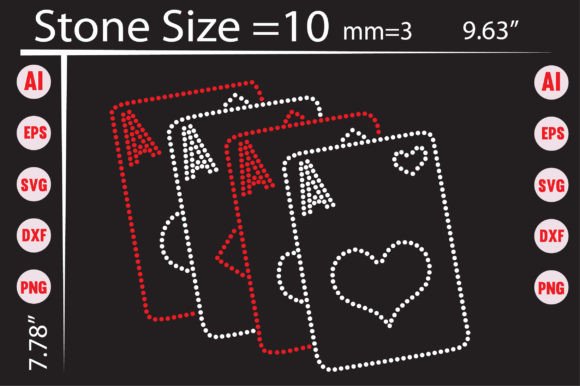
The first thing that strikes you about these templates is their bold, graphic personality. This isn't a delicate floral motif meant for a heirloom christening gown; it is loud, confident, and unapologetically fun. The theme screams "night out," "Vegas vibes," or perhaps a high-stakes poker night with friends. For an Etsy seller or a boutique owner looking to expand their catalog beyond the usual safe bets, this kind of visual energy is gold. It immediately suggests a specific lifestyle, which makes marketing the finished product much easier.
From Screen to Stitch: Real-World Application
To truly test the viability of the Rhinestone Playing Cards Templates, I envisioned a specific project: a custom black cotton canvas tote bag for a bachelorette party. The client wanted something reusable but stylish, avoiding the cheap plastic bags often handed out at events. The playing card motif fit the "high roller" theme perfectly. However, translating a graphic intended for rhinestones into an embroidery project requires some mental gymnastics.
Since the product description highlights that this is a printable template set including AI, EPS, SVG, and DXF files at 300dpi, it is crucial to understand what you are working with. These are vector graphics, not pre-digitized machine embroidery design files. This distinction is vital. As a designer, this gives me total control. I can import the SVG into my digitizing software and decide exactly how to tackle the shapes. Do I want a sleek satin stitch border for the card outlines? Should the suit symbols be filled with a dense fill stitch to mimic the solid look of a printed card, or should I leave them open for actual rhinestone application?
This flexibility is where the real value lies. If you are creating custom apparel like a sweatshirt embroidery piece for a gaming lounge, you might choose to digitize the entire design in thread. Conversely, for a personalized gift like a sequined pillow cover, you could use the template to cut heat-transfer vinyl or guide the placement of physical stones. The Rhinestone Playing Cards Templates serve as a robust foundation rather than a rigid constraint.
Navigating Fabric and Texture Challenges
One of the biggest hurdles with graphic-heavy designs is fabric compatibility. Playing cards feature sharp corners and distinct lines. When you are working with textured fabrics like terry cloth towels or thick fleece hoodies, those crisp 90-degree angles can get lost. In my hypothetical tote bag scenario, the tight weave of the canvas was ideal. However, if you were attempting this on a stretchy jersey knit for a baby embroidery project (perhaps a "little gambler" onesie for a photo prop), you would need to be extremely careful.
Sharp corners in embroidery often lead to pull-outs or puckering if the stitch density is too high or the stabilizer is insufficient. Because these templates represent solid shapes, a novice digitizer might be tempted to fill them completely. On a cap or a curved surface, this could result in a stiff, uncomfortable patch that warps the garment. My advice? Consider using a running stitch outline for the card borders and saving the heavy filling for the central suit symbols. This reduces bulk while maintaining the visual impact.
Furthermore, consider the background. These templates are inherently high-contrast. They will pop beautifully on dark fabrics, which is perfect for holiday embroidery gifts or nightlife apparel. But on light or patterned fabrics, you must ensure your thread colors provide enough definition. A red heart on a pink floral dress might vanish entirely. Always run a black-and-white mockup in your software to check the silhouette before you ever thread the needle.
Commercial Viability and Brand Consistency
For small shop product creators, consistency is key to building trust. If you sell a line of gaming-themed merchandise, the Rhinestone Playing Cards Templates offer a cohesive look that can be adapted across various items. You could create an embroidered patch for jackets, a tote bag design for carrying decks of cards, and even aprons for casino-night hosts. The versatility of the vector formats means you can scale the design up or down without losing quality, provided your digitizing skills match the scale.
However, a word of caution regarding licensing and usage rights. While the download includes professional-grade files like AI and EPS, always double-check the specific license terms provided by the creator before selling items made from these designs. Some creators allow unlimited commercial use for finished physical goods but restrict the resale of the digital files themselves. As a professional, protecting your craft business reputation means respecting intellectual property and ensuring you aren't inadvertently violating terms that could get your Etsy listings flagged.
Final Verdict: Is It Worth the Download?
After weighing the pros and cons, the Rhinestone Playing Cards Templates earn a solid spot in a well-curated library of T-Shirt Designs and graphics. They are not a "plug-and-play" solution for those who refuse to learn digitizing, but for the designer willing to put in the work, they are a fantastic springboard. The clean lines and iconic imagery make them highly recognizable, which drives buyer engagement.
If you are looking to add some edge to your portfolio or need a reliable graphic for a themed event, these templates deliver. Just remember to treat them as the raw material they are. Test your digitized version on scrap fabric first. Check your hoop size limitations. Experiment with different thread colors to see what creates the best contrast against your chosen fabric texture. When handled with care and technical know-how, these templates can elevate a simple piece of cloth into a conversation-starting commercial embroidery asset that customers will love to show off.