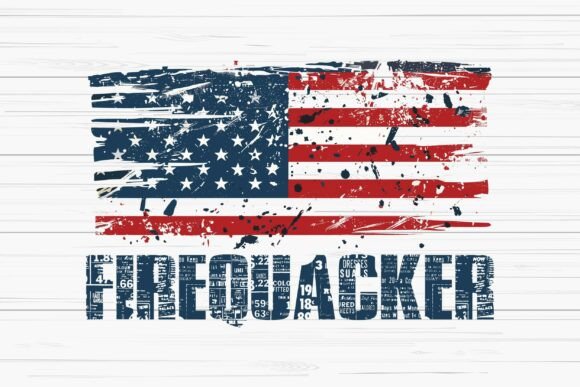
Firequacker USA Flag T-shirt: A Designer's Review
When I first pulled up the Firequacker Usa Flag T-shirt design on my screen, I didn't just see a graphic; I saw a potential best-seller for the upcoming holiday season. As someone who spends hours digitizing and stitching for clients, I know that a funny concept on paper doesn't always translate well to thread. However, this flaming, furious duck character immediately struck a chord. It sits right at the intersection of patriotic pride and internet humor, a niche that is surprisingly underserved in the Crafts and Graphics market. Before committing this machine embroidery design to a client's garment, I needed to evaluate how it would hold up under the needle.
The Visual Personality and First Impressions
The mood of this design is unapologetically bold. The combination of a cartoon duck engulfed in flames with the stars and stripes creates a visual tension that demands attention. For an embroidery project, this means we are dealing with high contrast and distinct shapes. The "furious" expression on the duck's face needs to be crisp; if the stitch density is too low, those angry eyebrows might blur into the rest of the head. Conversely, the flames require a dynamic flow. In a digital embroidery file, gradients are easy, but in thread, we rely on color changes and stitch direction to create that sense of movement. My initial assessment is that this design relies heavily on clean fill stitch work to maintain the cartoon aesthetic without looking muddy.
Real-World Application: The Custom Sweatshirt Test
To truly gauge the viability of the Firequacker Usa Flag T-shirt graphic, I imagined a specific real-life scenario: a custom order for a local boutique looking for unique Fourth of July custom apparel. They wanted a limited run of heavyweight cotton sweatshirts. This is a perfect use case. The thick fabric of a sweatshirt provides a stable foundation for the likely dense stitching required for the flames and the flag elements.
If I were stitching this today, I would visualize the finished product sitting on a shelf in a trendy shop. The customer isn't just buying a shirt; they are buying a statement piece. The humor acts as an icebreaker, while the quality of the embroidery establishes trust. For an Etsy seller or small business owner, offering this on a premium blank like a Comfort Colors sweatshirt could significantly increase the perceived value compared to a standard print-on-demand tee. The texture of the thread adds a tactile element that digital prints simply cannot match, making it an ideal handmade product for gift-giving.
Navigating Fabric Textures and Hoop Constraints
While the design shines on sturdy cotton, caution is required when moving to other materials. If you plan to use this as a tote bag design on canvas, you are in safe territory. However, applying this to stretchy performance fabrics or thin baby knits requires a strategic approach. The "flaming" details likely involve intricate curves and potentially small satin stitch outlines. On a stretchy fabric, without the proper stabilizer, these areas could pucker or distort after the first wash.
Furthermore, consider the hoop size. If the original graphic is large, you might need to resize it for a cap or a pocket placement. When shrinking a design with detailed features like a duck's beak or individual flames, there is a risk of losing definition. I always advise testing the design on scrap fabric of the same weight before committing to the final item. Check if the tiny details in the eyes or the flag stars merge together. If they do, you may need to request a simplified version of the digital embroidery file or adjust the stitch count manually if you have digitizing skills.
Commercial Viability and Brand Consistency
For those running a craft business, consistency is key. The Firequacker Usa Flag T-shirt design offers a strong brand voice—quirky, American, and bold. Using this across a line of products, from aprons to pillow covers, can create a cohesive collection. Imagine a set of kitchen towels featuring this duck; it transforms a mundane household item into a conversation starter for holiday embroidery gifts.
However, professional presentation matters. Ensure that your thread colors match the vibrancy of the original preview. A dull red or a washed-out orange can kill the "furious" energy of the fire. I recommend comparing your stitched sample against the digital mockup in both natural and artificial light. If you are selling these as design assets or finished goods, the color accuracy directly impacts buyer engagement. Customers expect the physical item to look as fiery and vibrant as the image online.
Practical Notes for the Stitcher
Before you start hooping, keep these practical tips in mind to ensure the highest quality result:
- Test on Scraps: Always stitch a sample on the exact fabric you intend to use. This reveals issues with puckering or registration errors.
- Check Contrast: Ensure the thread colors pop against the garment color. This design might get lost on a dark navy background unless outlined properly.
- Review Density: High-density areas can make fabric stiff. If stitching on a baby item, consider reducing the fill density slightly for softness.
- Stabilizer Selection: Use a cut-away stabilizer for stretchy fabrics and tear-away for stable wovens to support the detailed flame work.
- Licensing Check: Since this falls under Graphics and commercial use, always confirm the license terms. Can you sell the finished embroidered item? Can you resell the file? Never assume.
- Mockup Verification: Create black and white mockups to check the clarity of the shapes without the distraction of color.
In conclusion, the Firequacker Usa Flag T-shirt design is more than just a meme; it is a versatile asset for the creative entrepreneur. Whether you are creating a personalized gift for a friend who loves quirky humor or stocking your online shop with unique small shop products, this design has the personality to stand out. With careful attention to fabric choice, stabilization, and thread quality, it can become a staple in your portfolio of commercial embroidery projects. Just remember, the difference between a good stitch and a great product often lies in the preparation and the willingness to test before you commit.