Review: Flag Fishing Father's Day T-shirt SVG for Embroidery
As a designer who spends more time staring at stitch simulations than most people spend watching actual TV, I approach new digital embroidery files with a healthy dose of skepticism. We have all been there: you buy a cute graphic online, load it into your software, and realize the density is going to turn your fabric into cardboard or the details are too fine for anything but a microscope. That is why I took a close look at the Flag Fishing Father s Day T-shirt SVG before committing it to a real project. This isn't just about whether it looks good on a screen; it is about whether it holds up under the needle when you are trying to build a reputation for quality in your craft business.
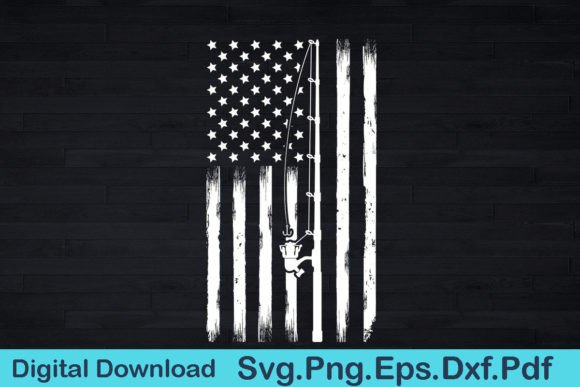
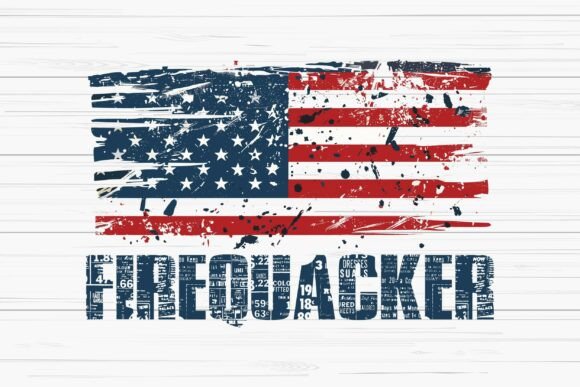
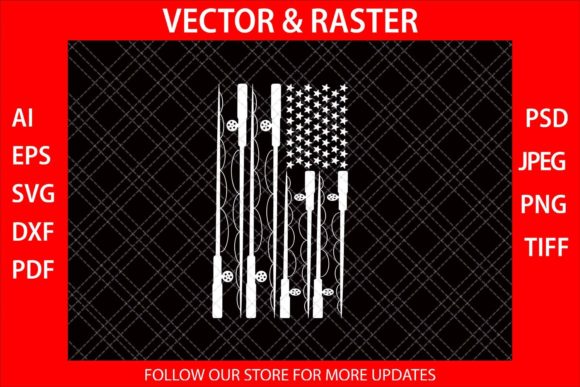
My first impression of this design was that it strikes a nice balance between patriotic flair and hobbyist humor. The combination of the American flag elements with fishing imagery creates an immediate narrative. It screams "Dad" without being overly cliché. Visually, the layout feels open enough to breathe, which is crucial for embroidery. When you are translating a vector graphic into thread, negative space is your friend. A design that is too cluttered often results in a muddy finished product where individual elements bleed into one another. This particular graphic seems to have distinct separation between the flag motifs and the fishing gear, suggesting it will translate well into a machine embroidery design with clear definition.
Putting the Design to the Test on Real Fabric
To truly evaluate this asset, I imagined a specific real-life scenario that many of us face every June. A customer walks into my small shop—or messages me on Etsy—looking for a unique gift for their father who loves fishing and takes his 4th of July celebrations seriously. They want something better than a mass-produced big-box store shirt. They want a personalized gift that feels handmade. I decided this Flag Fishing Father s Day T-shirt SVG would be perfect for a custom sweatshirt embroidery project. Sweatshirts provide a stable base, unlike thin t-shirts, allowing the stitches to sit nicely without puckering the garment excessively.
In this scenario, the mood of the design works perfectly. It is celebratory yet relaxed. If I were stitching this onto a navy blue heather sweatshirt using red, white, and royal blue threads, the contrast would be sharp and professional. The visual personality of the design suggests it belongs on custom apparel meant for casual wear, perhaps a family reunion or a weekend at the lake. It also has potential as an embroidered patch that could be sewn onto a canvas tote or a fishing vest. For an Etsy seller, versatility is key, and this graphic offers several avenues for product creation beyond just a standard tee.
Navigating Technical Challenges and Fabric Choices
However, enthusiasm must be tempered with technical reality. While the concept is strong, executing this design requires careful attention to fabric choice and machine settings. If you plan to use this on a stretchy performance fabric or a thin cotton tee, you need to be wary of stitch density. Graphics that look crisp on a monitor can become heavy and stiff if the digitizer packed too many satin stitches or fill areas into a small space. Before running this on a client's expensive garment, I always recommend testing the design on scrap fabric of the same weight and texture.
There are specific areas where caution is advised. If the design includes tiny text or very fine lines representing fishing line or flag stripes, these might not survive frequent washing on a textured fabric like a waffle knit or a rough canvas. Curved surfaces, such as baseball caps, present another challenge. The curvature of the cap can distort the image, making straight lines look bent. If you intend to use this for hat embroidery, ensure your hoop size and stabilizer setup are robust enough to prevent shifting. A poor quality stabilizer choice here could lead to registration issues where the flag colors overlap incorrectly.
Furthermore, consider the background color. This design relies heavily on the classic red, white, and blue palette. On a black or dark charcoal garment, you will need to ensure your white thread has enough coverage, potentially requiring an underlay stitch that adds bulk. Conversely, on a light-colored fabric, you must ensure the reds are vibrant enough not to look washed out. Testing the design in both black-and-white mockups and full-color previews is a smart move to gauge contrast before you ever thread the needle.
Commercial Viability and Brand Perception
For those of us running a small shop product line or selling design assets, the perceived value of the final item is everything. A sloppy embroidery job can damage your brand consistency and erode customer trust. The Flag Fishing Father s Day T-shirt SVG has the potential to elevate your offerings because the theme is timely and emotionally resonant. Father's Day and the 4th of July are massive sales drivers. A well-executed version of this design on a high-quality tote bag design or a cozy blanket can command a higher price point than a generic print.
The professionalism of your handmade product depends on the clarity of the stitches. If the transition between the flag stars and the fishing rod is clean, it signals to the buyer that care was taken. This attention to detail fosters buyer engagement and encourages repeat customers. However, you must verify the licensing terms associated with this file. Just because it is available as a Graphics file does not automatically grant commercial rights for physical goods or digital resale. Always confirm whether the license allows for unlimited physical sales or if there are restrictions, especially if you are planning to sell this as part of a larger collection of holiday embroidery patterns.
Final Thoughts for the Practical Maker
In conclusion, the Flag Fishing Father s Day T-shirt SVG is a promising candidate for your summer production schedule. It fits naturally into the Crafts category for those looking to create meaningful, themed items. Its strength lies in its clear thematic message and adaptable layout. However, its success in the real world depends entirely on your execution. Do not skip the test stitch-out. Pay attention to your thread tension and stabilizer choices. Whether you are making a one-off gift for a relative or stocking inventory for a craft fair, treat this design with the respect it deserves by ensuring the technical side matches the creative vision.
Remember, the difference between a good product and a great one is often in the details. Check your hoop size compatibility, review the stitch types (whether it uses running stitch for outlines or fill stitch for bold areas), and make sure the scale is appropriate for your intended application. With the right preparation, this design can be a standout piece in your portfolio, proving that thoughtful design combined with skilled craftsmanship is the ultimate recipe for success in the world of custom decoration.